Thirty-four people may start this walk each day between October 1 and May 31, and that number has not moved in years. The parks service does not sell those places month by month. It opens the whole season at once, in early July of the year before, and from that morning the calendar only shrinks. This is the one trip in our catalog where the booking date matters more than the departure date, and it is why we tell people to reserve the Overland Track two winters ahead rather than one.
The math is unromantic. If you want to walk in January 2029, the permits go on sale in July 2027. To be ready on that July morning you need the party fixed, the names spelled as they appear on the travel documents you already hold, the start date chosen with a second and third choice behind it, and the money sitting somewhere it can move the same hour. That is eighteen months of lead before a single flight is priced. Add the flights from North Carolina, which run through the West Coast and then Sydney or Melbourne before the short hop to Launceston, and the two winters are real rather than a figure of speech.
- Notice
- Eighteen months or more, the book opens once
- How far ahead
- Eighteen to twenty-four months, counted backward from the July release morning, not from your departure.
- What has to be reserved first
- The independent walker permit is the piece that goes first: the Tasmanian parks service caps departures at 34 walkers per day from October 1 through May 31, releases the entire season in one batch in early July of the preceding year, and the December and January dates in the first three days after that are effectively gone within the first week. Come late and what remains is early October and mid to late May, when huts are colder, daylight is shorter and the Cynthia Bay ferry across Lake St Clair runs a thinner schedule; the fallback we book most often is a guided departure on the parallel private hut system, which holds its own inventory outside the public cap and can still be had four to six months out at roughly double the walking cost.
- Nights
- 9
- From
- $4,450 per person
- Shape of it
- six days on foot, permit capped
- What is in the figure
- Nine nights of accommodation, split between Launceston, Cradle Valley, Lake St Clair and Hobart; the national parks pass and the independent walker permit fee for your named start date; transfer from Launceston to the Ronny Creek trailhead; the Lake St Clair boat crossing from Narcissus to Cynthia Bay; transfer from Cynthia Bay to Hobart; a printed food and fuel plan sized to six days plus one; a written contingency date agreed before the release morning.
- What is not
- All flights, including the domestic leg into Launceston and out of Hobart; every meal on the walk and all meals off it; the pack, boots, sleeping bag rated to 20F, stove, fuel canisters bought in Tasmania and any hire of the same; the four side trips to Cradle Mountain, Barn Bluff, Mount Ossa and Pine Valley, which cost nothing but add days you may need to buy back in accommodation; hut fees on the private system if you switch to that fallback; any change to your permit date after the parks service confirms it, which they treat as a cancellation and a new booking; the Overland Track fee refund, which is not given for weather.
- Who it does not suit
- Anyone who cannot carry 35 to 40 pounds for six consecutive days over 40 miles with about 7,500 feet of cumulative ascent, on duckboard, mud and loose rock, with no road crossing and no vehicle access between Ronny Creek and Narcissus. Anyone whose dates depend on a school calendar published less than a year out. Anyone who wants to decide in spring which December they are walking.
Sixty-five miles of Tasmania with no road across it
The track runs 40 miles from Ronny Creek in the Cradle Valley south to Narcissus at the head of Lake St Clair, and most people add another five to six miles in side trips. Between those two ends there is no road, no store and no vehicle. Six huts sit along the way, unstaffed and first come, and every one of them has a tent platform outside because the huts are not promised to anyone. Walkers go north to south during the booking season; that direction is a condition of the permit, not a preference.
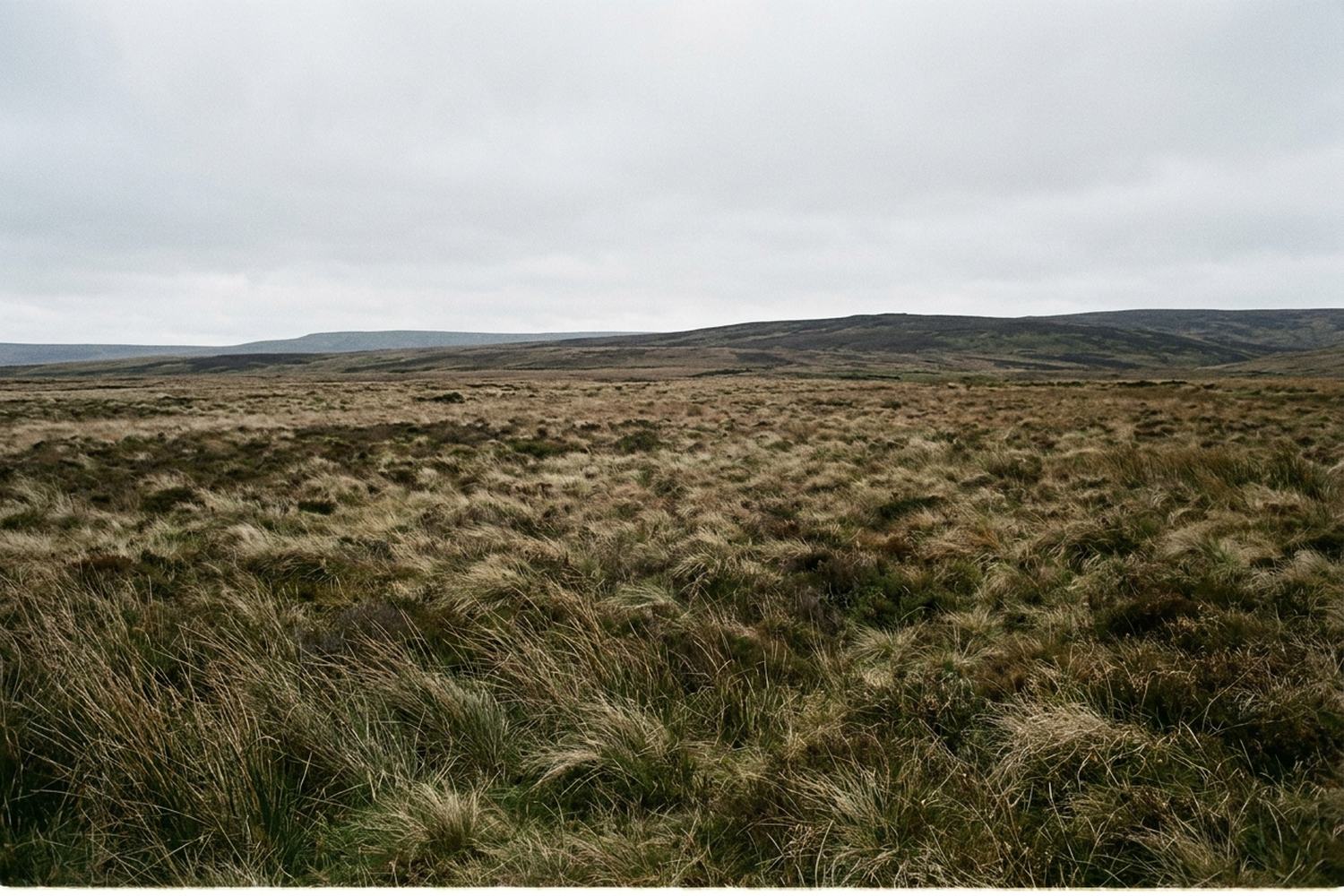
The ground changes about every two hours. The first day climbs roughly 1,300 feet out of the valley past Crater Lake to Marions Lookout, which is the steepest sustained pitch on the route and has chain handholds bolted into the rock. After that comes the Cradle plateau, open and exposed, then long stretches of duckboard laid over buttongrass moor because the peat underneath will not hold a boot. South of Pelion the track drops into rainforest and the surface becomes root, mud and rock in roughly equal parts. Mount Ossa, the high point of the island at 5,305 feet, sits a side trip off the main line and adds about 1,900 feet of climb to a day that already has plenty.
Weather here does four seasons in an afternoon and that is a plain description, not a warning. Snow falls on the plateau in every month of the year, including January. Summer daytime temperatures at hut level run in the fifties and sixties Fahrenheit and drop into the thirties overnight, with wind on the exposed sections that makes the number meaningless. The rain figure for the Cradle Valley is over 100 inches a year. Rivers rise fast and the crossings on the Pine Valley side can hold you a day.
The July morning, and what is gone by lunchtime
The release happens once. Every date from October 1 to May 31 of the following season becomes available in the same batch, and the traffic on the parks booking system that morning is the whole world at once. Peak summer starts, the week either side of Christmas and the first two weeks of January, come off the board first. What we watch after that is the shoulder: late November and late February hold longer than people expect, and they are the dates we quietly push clients toward, because the walking is cooler and the huts are less full.
The other clock is the Narcissus ferry across Lake St Clair. If you do not take the boat you walk another 11 miles along the lakeshore, which is flat, long and adds a day. Boat seats are booked separately, are capped by the size of the vessel, and thin out at the ends of the season.
- Release morning, early July
- the entire following season goes live at once
- Same day, by afternoon
- December 20 to January 10 starts effectively taken
- Within one week
- most January and early February dates gone
- Three to five months after release
- late November and late February close out
- Four to six months before departure
- only early October and mid to late May remain, plus the guided fallback
- Six weeks out
- public permits gone entirely; ferry seats scarce at the season ends
What happens between your first message and a confirmed start date
We work backward from the release morning rather than forward from your calendar. Everything that can be decided in advance is decided in advance, so that on the day itself there is nothing left to do but type. We are not a park agency and we hold no allocation of our own; we book into the same public system everyone else uses, which is precisely why the preparation is the whole job.
- First messagewe tell you which July release your walk falls under, and what that means for the year in between
- Party and dates lockednames, first, second and third choice start dates, and a written note of which you would take over a delay of a year
- Release morningwe sit on the system at open with your details already staged and take the highest choice available
- After confirmationflights priced and held, Launceston and Hobart nights booked, ferry seat reserved, transfers set, food and fuel plan written
Tell us which summer you are aiming at
Name the season, not the date, and we will tell you which July you need to be ready for and what the year between now and then looks like. read the day it lands; the figure itself lands two to four working days later.